Responsibly Sourced Biochar
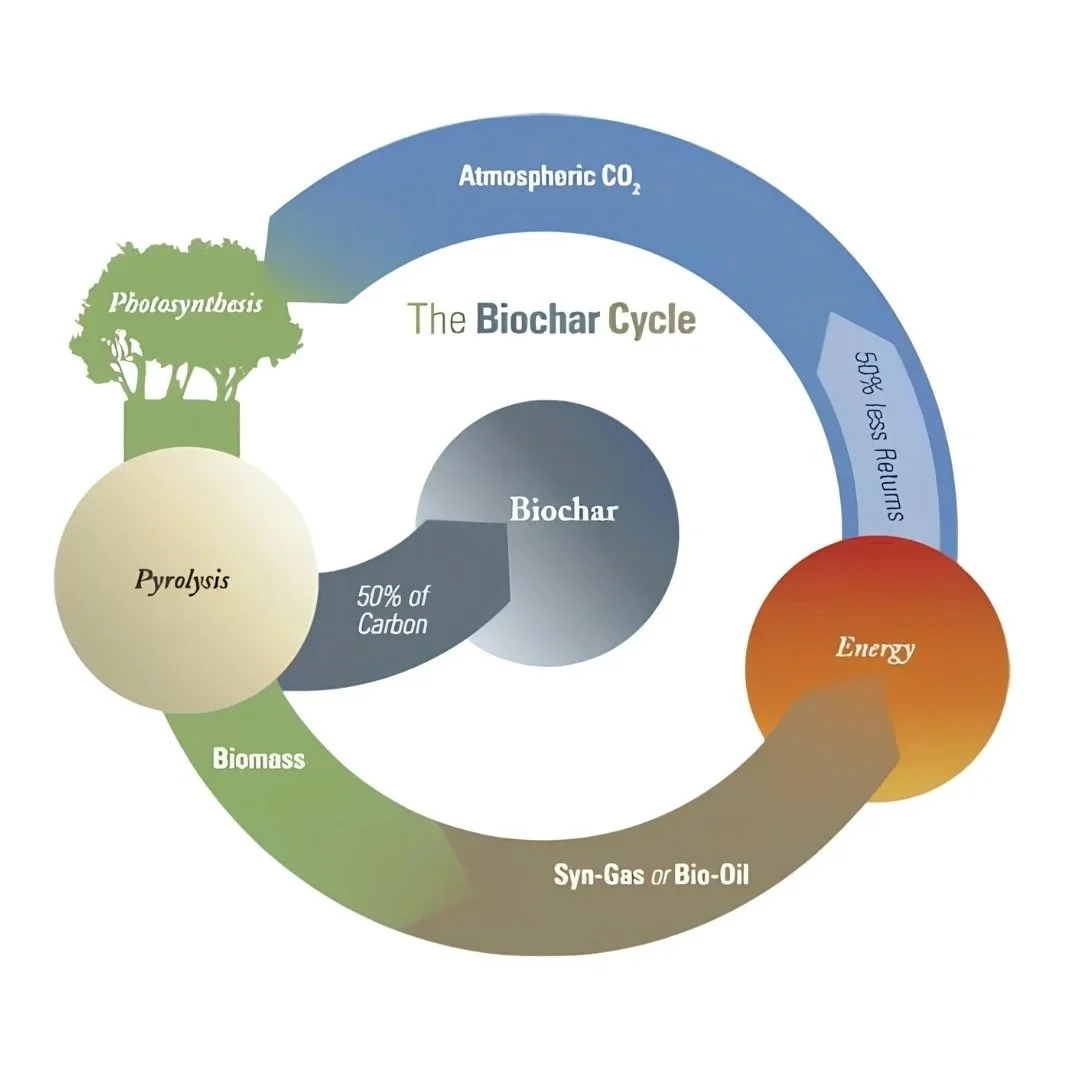
Biochar is obtained by heating waste derived material (biomass), at high temperatures and without oxygen. This process is called pyrolysis, and results in the concentration of biomass carbon in a form that is incredibly resistant to biological decomposition.
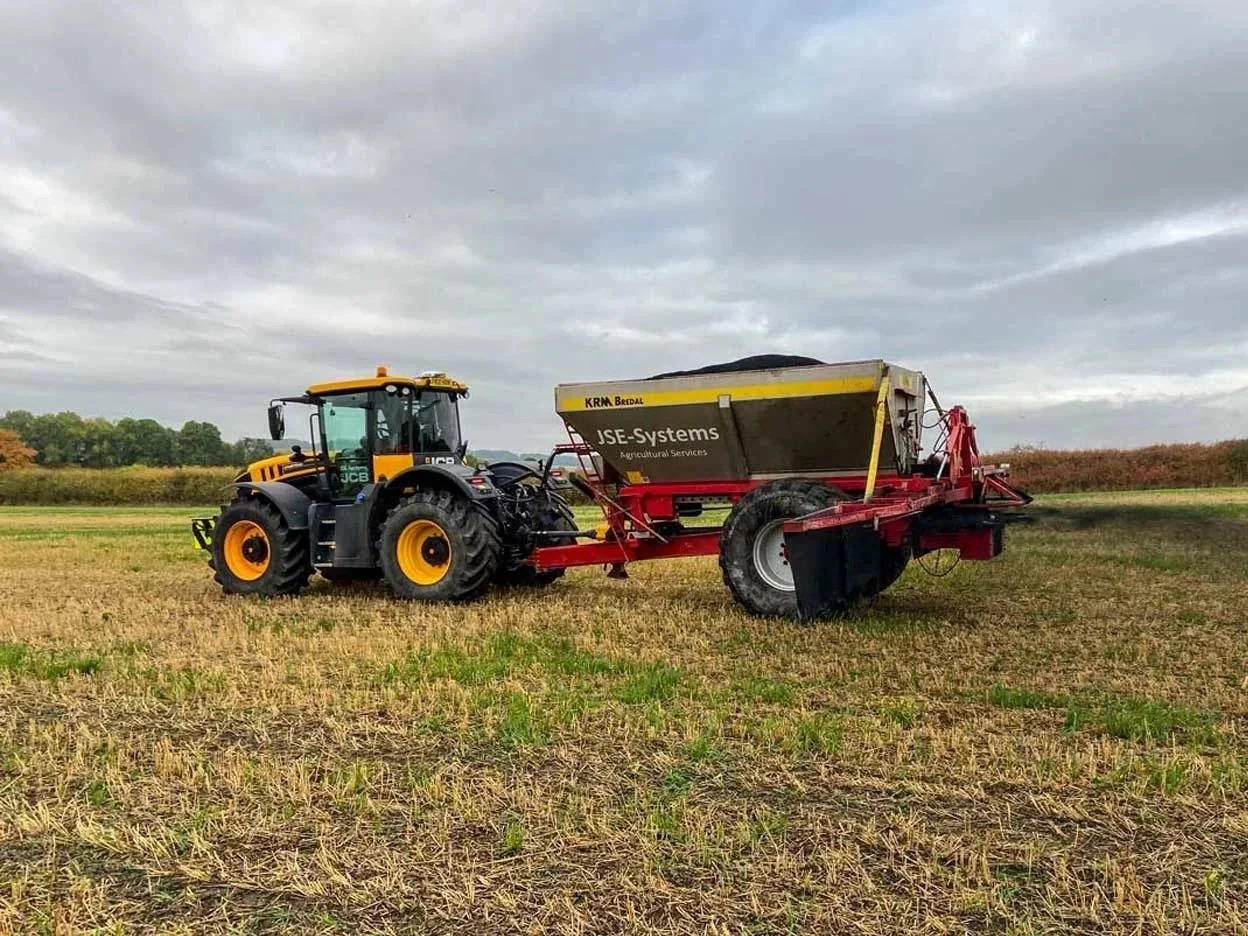
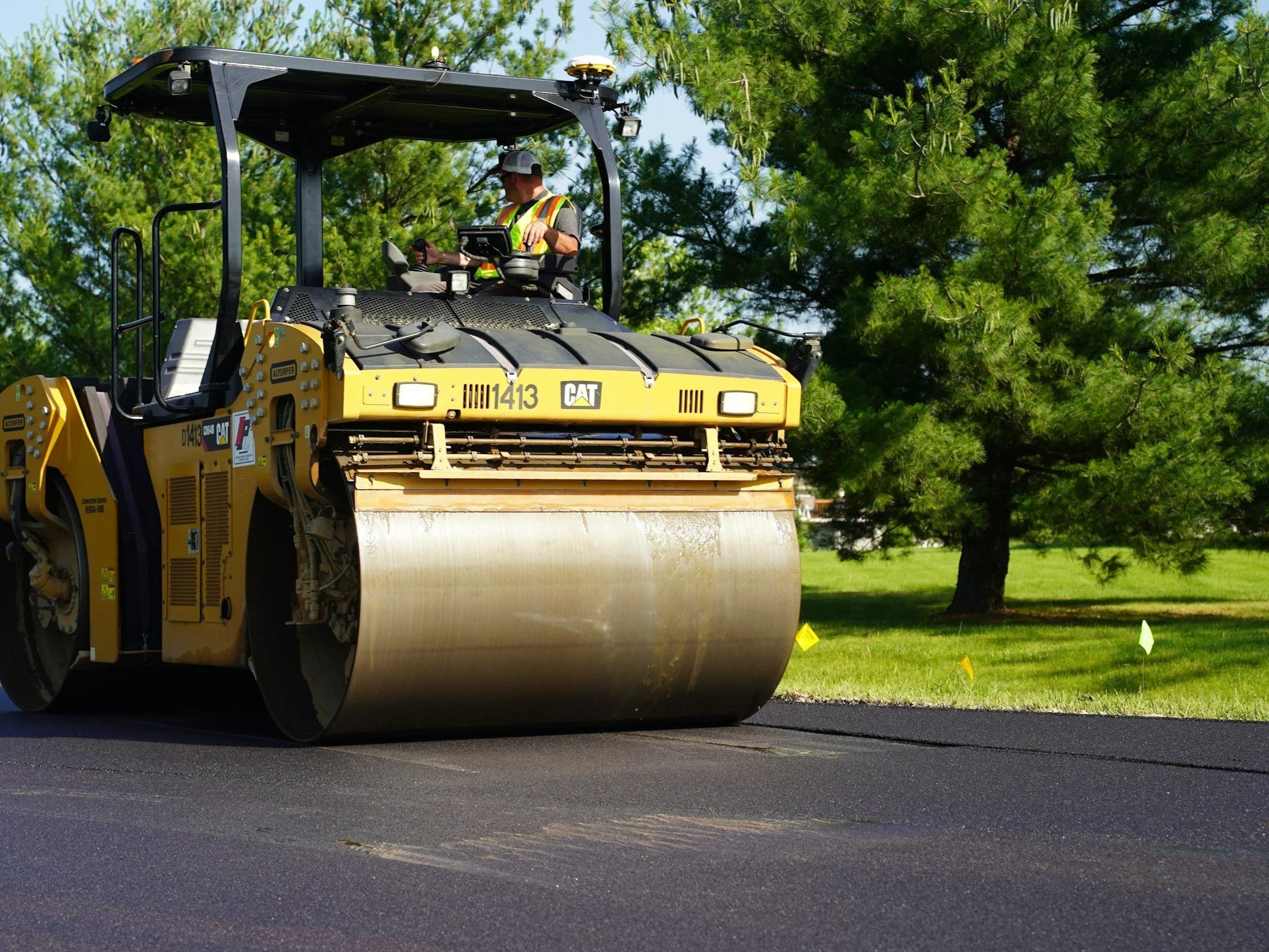
Biochar can be used for agricultural or industrial purposes, to enhance the quality of soils or removing pollutants from wastewater. More recently however new products are being developed for green infrastructure, water quality and construction materials.
The physical, chemical and biological properties of biochar make it a versatile material which can be used in a variety of applications.
Biochar is also a powerful tool for removing carbon dioxide from the atmosphere and has many social and environmental benefits too.
CLIMATE SOLUTIONS.
CLIMATE SOLUTIONS.
Recognized by the UN Intergovernmental Panel on Climate Change (IPCC) in 2018 as a negative emissions technology, biochar’s emergence as a natural climate solution is driven by the potential to reduce emissions resulting from the decomposition of organic biomass, instead pyrolysing material into a highly stable form of carbon.
The IPCC estimates that biochar derived from pyrolysis of woody biomass contains an average 77% organic carbon – most have far more.
POSITIVE IMPACTS OF BIOCHAR